Skip to content
PAGE - Project for advancing cognitive accessibility in publishing
  • About
    • The project
    • Partners
  • Library
  • Toolkit
  • Blog
  • Newsletters
  • Call for stories
    • 2026 Edition
  • Contact
  • English
    • Hrvatski
    • Français
    • Italiano
    • Português
    • Slovenščina
    • Svenska
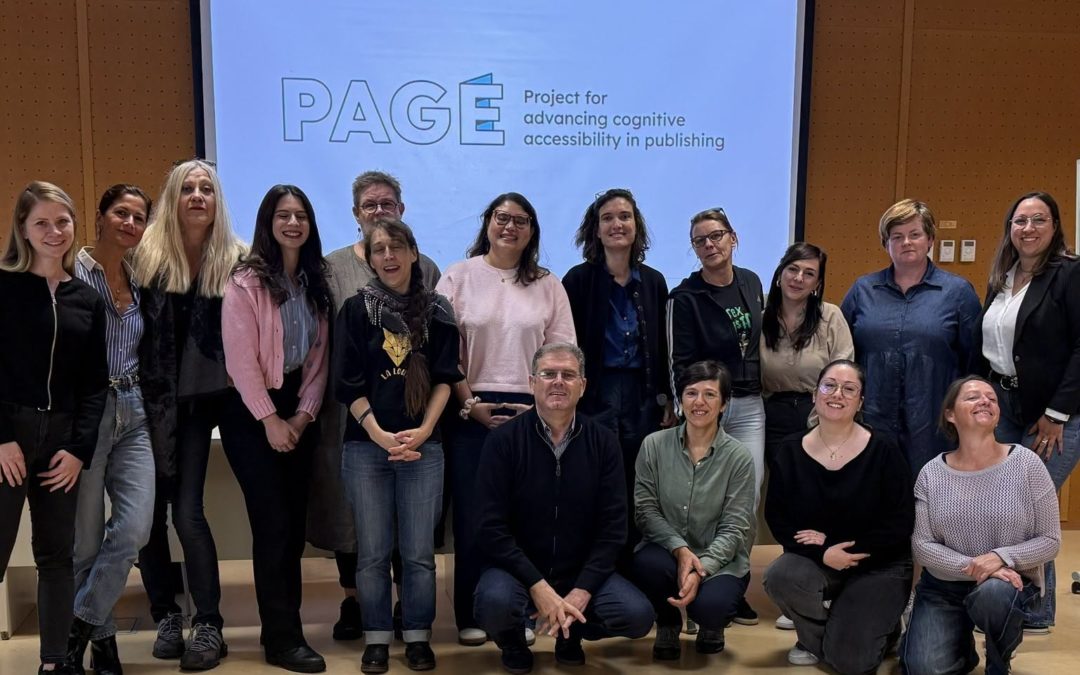
PAGE in Slovenia: three days of training, creativity and new ideas

PAGE in Slovenia: three days of training, creativity and new ideas

by baptiste | Nov 19, 2026 | Uncategorized

Written by Società Cooperativa Sociale ControventoValeria Licciardello, PAGE Project Coordinator Partners and experts met in Slovenj Gradec to try the PAGE Toolkit and plan the next activities of the project. From 14 to 16 October 2026, the PAGE partners met in...
More Than 500 Stories: A New Chapter for Accessible Literature in Europe

More Than 500 Stories: A New Chapter for Accessible Literature in Europe

by baptiste | Aug 5, 2026 | Uncategorized

The PAGE International Literary Contest closed on 31 May 2026 after six months of submissions. The response exceeded all expectations: across the partner countries, more than 500 stories were received. Behind this remarkable figure are hundreds of writers who accepted...
The Architecture of Patience: Designing a Digital Space for Everyone

The Architecture of Patience: Designing a Digital Space for Everyone

by julie | Mar 25, 2026 | Uncategorized

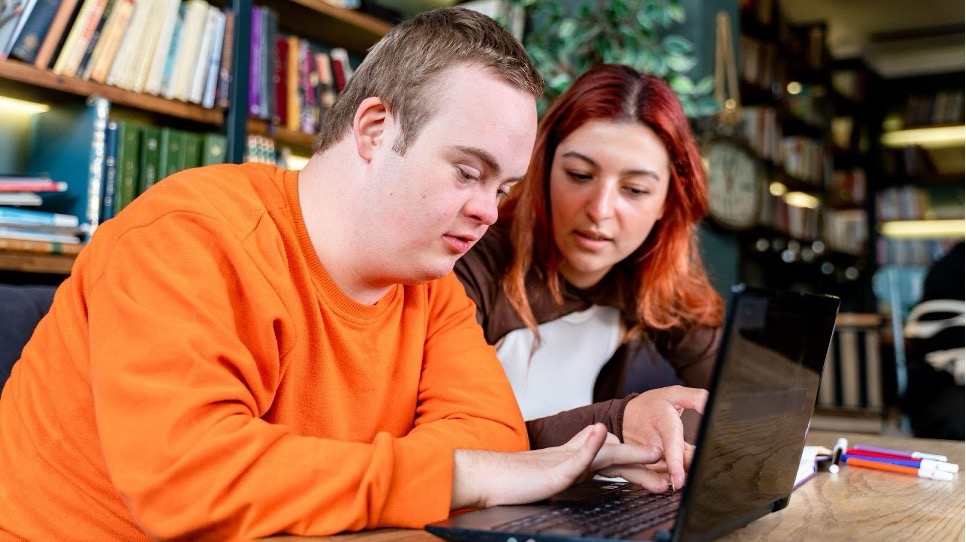
We are all part of a complex society, and how we interact with it depends largely on the tools we are given. Often, we don’t realize that our digital world is built for speed and individual convenience, frequently leaving behind those who need a different pace. With...
From Technology to Inclusion: How Digital Tools Make Reading Accessible to Everyone

From Technology to Inclusion: How Digital Tools Make Reading Accessible to Everyone

by julie | Jan 7, 2026 | Uncategorized

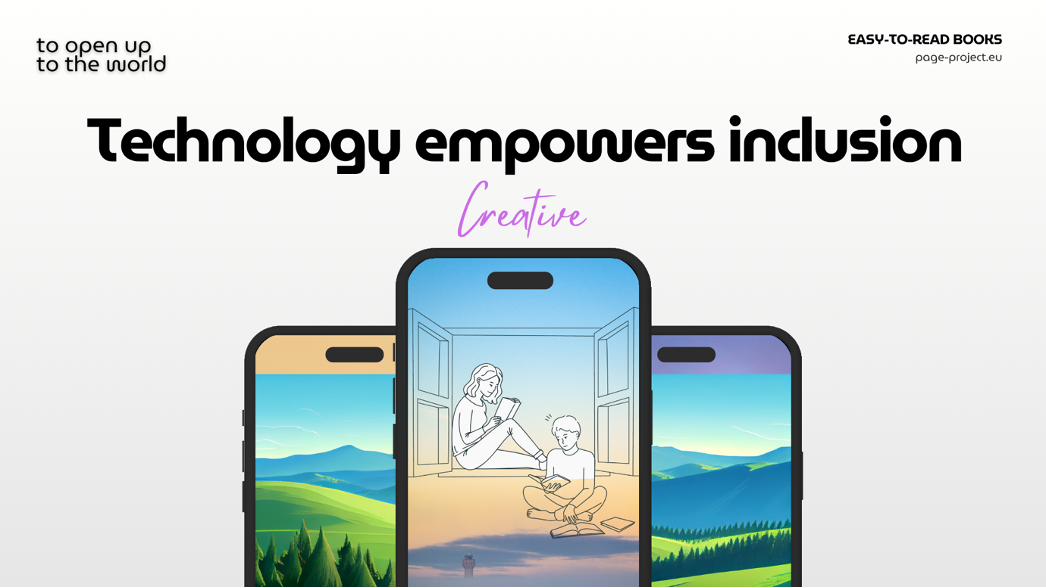
Digital innovation is transforming the way we read and who gets to read. Accessibility is no longer an afterthought but a creative foundation for inclusion in publishing. Reading has always been a gateway to imagination, knowledge, and empathy. Yet for many, it...
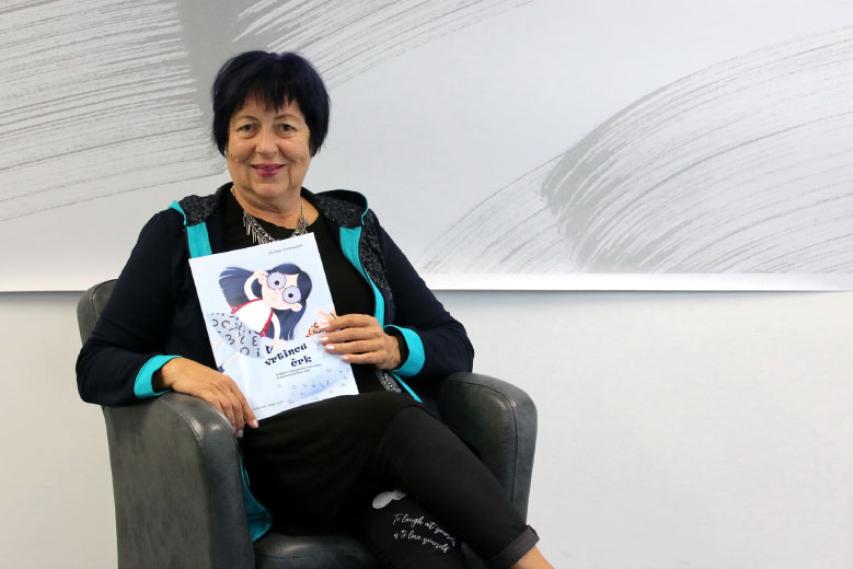
Easy Language, great stories: How are original novels in Easy Language created in Slovenia?

Easy Language, great stories: How are original novels in Easy Language created in Slovenia?

by julie | Oct 30, 2025 | Uncategorized

Introduction Access to books and literature in Easy Language in Slovenia is not only a matter of individual initiatives, but is also linked to broader legal and political obligations of the state. The Act on Equalization of Opportunities for Persons with Disabilities...

The Evolution of Easy Language in European Societies 

The Evolution of Easy Language in European Societies 

by baptiste | Jul 9, 2025 | Uncategorized

The first documented use of “lättläst” (Easy Language) dates back to the 1960s, in Sweden, marking the beginning of its formal recognition.  Finland and Norway followed Sweden in developing Easy Language, with initial cooperation in creating easy-to-read...

« Older Entries

Recent Posts

  • PAGE in Slovenia: three days of training, creativity and new ideas
  • More Than 500 Stories: A New Chapter for Accessible Literature in Europe
  • The Architecture of Patience: Designing a Digital Space for Everyone
  • From Technology to Inclusion: How Digital Tools Make Reading Accessible to Everyone
  • Easy Language, great stories: How are original novels in Easy Language created in Slovenia?

Recent Comments

No comments to show.
PAGE - Project for advancing cognitive accessibility in publishing

Legal notice

Co-funded by the European Union

Funded by the European Union. Views and opinions expressed are however those of the author(s) only and do not necessarily reflect those of the European Union or the European Education and Culture Executive Agency (EACEA). Neither the European Union nor EACEA can be held responsible for them.

Project number: 101173233

PAGE - Project for advancing cognitive accessibility in publishing

Legal notice

Co-funded by the European Union

Financirano sredstvima Europske unije. Izneseni stavovi i mišljenja su stavovi i mišljenja autora i ne moraju se podudarati sa stavovima i mišljenjima Europske unije ili Europske izvršne agencije za obrazovanje i kulturu (EACEA). Ni Europska unija ni EACEA ne mogu se smatrati odgovornima za njih.

Broj projekta: 101173233

Grad Zagreb